
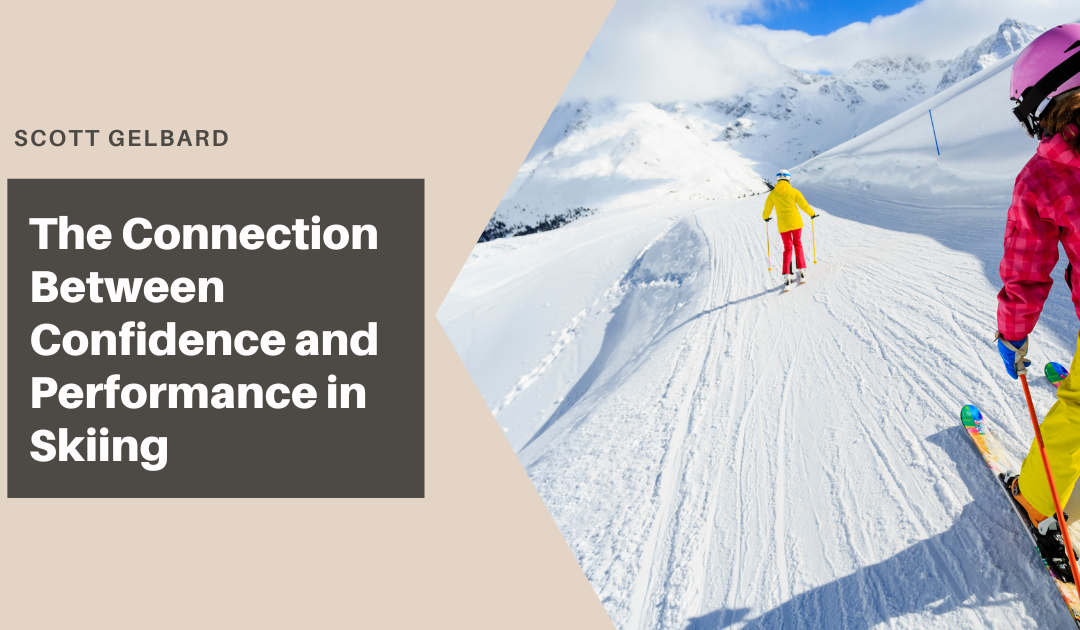
Skiing is a sport that combines physical ability, technical skill, and mental strength. From navigating steep slopes to adapting to changing snow conditions, every run demands focus, quick decision-making, and confidence. While physical training helps skiers improve their technique, confidence often determines how effectively those skills are applied on the mountain.
Confidence is not simply believing you can succeed—it is trusting your preparation, making sound decisions under pressure, and maintaining composure when conditions become challenging. Whether you’re a beginner learning your first turns or an experienced skier tackling advanced terrain, confidence plays a vital role in overall performance.
Understanding Confidence in Skiing
Confidence in skiing is built through preparation, experience, and consistent practice. It allows skiers to approach each run with a positive mindset while remaining realistic about their abilities.
Confident skiers understand both their strengths and limitations. They are willing to challenge themselves, but they also know when to adjust their speed, choose a different route, or refine their technique. This balanced approach promotes safer and more effective skiing.
Unlike overconfidence, which may encourage unnecessary risks, genuine confidence supports smart decision-making and continuous improvement.
Why Confidence Improves Performance
Confidence influences nearly every aspect of skiing. When skiers trust their abilities, they are more likely to remain relaxed, maintain proper technique, and respond effectively to changing terrain.
A confident mindset helps reduce hesitation, which is one of the most common causes of mistakes on the slopes. Instead of second-guessing every movement, confident skiers commit to each turn with control and purpose.
This mental clarity allows them to focus on reading the terrain, maintaining balance, and adjusting their movements naturally, leading to smoother and more consistent performance.
Building Confidence Through Preparation
Confidence begins long before reaching the mountain. Proper preparation provides a strong foundation for both safety and success.
Preparation includes:
- Developing physical fitness and endurance
- Practicing skiing techniques regularly
- Learning proper equipment use
- Understanding mountain safety guidelines
- Studying weather and snow conditions
The more prepared a skier feels, the greater their confidence becomes. Preparation reduces uncertainty and enables skiers to approach new challenges with greater assurance.
Learning Through Progressive Challenges
Confidence develops gradually. Attempting terrain beyond one’s current ability can create fear and reduce self-belief, while progressing step by step encourages steady improvement.
Successful skiers typically advance by mastering easier slopes before moving to more demanding runs. Each achievement reinforces their skills and increases their willingness to tackle new challenges.
Small victories create momentum. Every successful turn, controlled descent, and completed run contributes to growing confidence over time.
Managing Fear on the Slopes
Fear is a natural part of skiing, particularly when facing unfamiliar terrain or difficult conditions. Rather than eliminating fear entirely, confident skiers learn how to manage it.
They remain focused on the present moment instead of worrying about potential mistakes. Deep breathing, positive self-talk, and visualization techniques help many athletes stay calm before challenging runs.
Accepting that fear is normal allows skiers to respond thoughtfully instead of reacting impulsively. This mental control often leads to safer decisions and improved performance.
The Importance of Focus
Confidence and focus work together. When confidence is strong, skiers can concentrate on the task at hand rather than becoming distracted by doubt or external pressures.
Maintaining focus involves paying attention to body position, rhythm, terrain changes, and surrounding conditions. This awareness allows skiers to make timely adjustments while maintaining smooth, controlled movements.
Developing routines before each run can also improve concentration. Taking a moment to review the route, check equipment, and visualize the descent helps establish a focused mindset.
Learning from Mistakes
Even experienced skiers make mistakes. What separates confident athletes is how they respond to setbacks.
Instead of allowing one fall or missed turn to damage their confidence, they view mistakes as learning opportunities. They analyze what happened, make adjustments, and continue practicing with a positive attitude.
This growth mindset encourages continuous improvement while preventing temporary setbacks from becoming long-term obstacles.
The Role of Instructors and Coaches
Professional instruction can significantly improve both skiing ability and confidence. Experienced coaches provide constructive feedback, teach proper techniques, and create structured learning experiences that match a skier’s current skill level.
Receiving expert guidance helps eliminate bad habits while reinforcing successful techniques. As skills improve, confidence naturally increases.
Instructors also provide encouragement during challenging moments, helping skiers recognize progress they may not notice on their own.
Confidence Beyond the Slopes
The confidence developed through skiing often extends into everyday life. Successfully overcoming challenges on the mountain teaches valuable lessons about perseverance, preparation, adaptability, and resilience.
These qualities benefit individuals in many situations, including academic pursuits, professional careers, leadership roles, and personal development. Learning to remain calm under pressure and trust one’s preparation can improve decision-making in both sports and daily life.
Conclusion
Confidence is one of the most important factors influencing skiing performance. While technical skills and physical fitness provide the foundation, confidence allows skiers to apply those abilities effectively, remain composed under pressure, and continue progressing through new challenges.
By preparing thoroughly, practicing consistently, managing fear, and embracing continuous learning, skiers can build lasting confidence that enhances both safety and performance. Every successful run strengthens not only technical ability but also the belief that future challenges can be met with skill, focus, and determination.
Ultimately, the connection between confidence and performance in skiing is clear: when skiers trust their preparation and believe in their abilities, they unlock their full potential both on the mountain and beyond.