
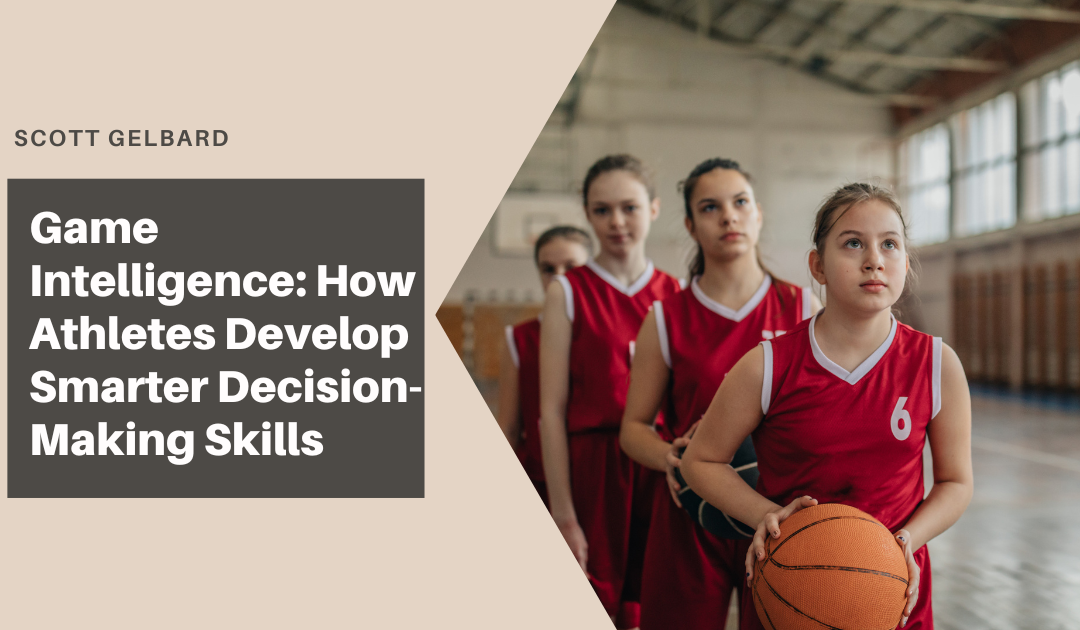
In the world of competitive sports, physical skill and athleticism often steal the spotlight. Yet behind every great play, clutch moment, and winning strategy lies an equally crucial element: game intelligence. This refers to an athlete’s ability to make smart, timely decisions that enhance their performance and contribute to the team’s success. It’s not just about raw talent but about how effectively an athlete reads the game, anticipates opponents, and adapts to changing conditions.
So, how do athletes develop this critical skill? Understanding the development of game intelligence provides valuable insights into what separates good players from great ones.
What Is Game Intelligence?
Game intelligence, also known as “sports IQ,” involves a combination of cognitive skills such as perception, anticipation, pattern recognition, and decision-making under pressure. It allows athletes to process complex information quickly—such as player positions, game dynamics, and timing—and select the best possible action.
This mental sharpness enables players to react faster, exploit opportunities, and avoid mistakes, even when the physical demands of the sport are at their highest.
The Foundations of Game Intelligence
Unlike physical attributes, game intelligence is largely developed through experience, deliberate practice, and mental training. Several key components contribute to building this intelligence:
1. Situational Awareness
The first step is cultivating situational awareness—understanding the state of play at any given moment. This means not just focusing on the ball or puck but being aware of teammates, opponents, space, and timing.
Athletes develop this by spending countless hours studying game footage, practicing in varied scenarios, and playing with diverse teammates and opponents. Over time, this builds a mental map of the game’s flow, helping players anticipate what’s coming next.
2. Pattern Recognition
Sports are full of recurring patterns: formations, plays, and strategies that repeat across games and seasons. Recognizing these patterns quickly allows athletes to predict opponents’ moves and prepare effective counters.
Experienced players develop an intuitive understanding of these patterns, often making split-second decisions that seem instinctive but are actually the result of extensive mental training.
3. Decision-Making Under Pressure
High-stakes moments in sports require lightning-fast decisions. Game intelligence equips athletes to weigh options rapidly and choose the best course of action even when fatigue, crowd noise, and pressure intensify.
Training for this involves simulated pressure scenarios, mental rehearsal, and mindfulness techniques that enhance focus and calmness during critical moments.
How Athletes Build Game Intelligence
Developing game intelligence is a continuous process that combines on-field experience with off-field preparation. Here are some effective ways athletes hone this skill:
Practice with Purpose
Deliberate practice focused on decision-making is essential. This means creating drills and scrimmages that mimic real-game situations and force players to think strategically. Coaches can design exercises that present multiple options, encouraging athletes to analyze and choose the best moves.
Video Analysis
Studying game footage allows athletes to review their own performance and learn from others. By breaking down plays and understanding what worked or failed, players refine their mental models of the game. Video analysis also helps identify patterns and tendencies of opponents, boosting anticipatory skills.
Mental Visualization
Visualization techniques enable athletes to mentally rehearse scenarios before they happen. By imagining different game situations, players prepare their minds to respond efficiently when faced with similar challenges on the field. Visualization improves confidence and reduces reaction time.
Cognitive Training
Beyond physical practice, athletes engage in cognitive exercises designed to improve focus, memory, and processing speed. These can include brain training apps, reaction time drills, or even strategy games that challenge decision-making abilities.
Learning from Experience
Playing against varied opponents and in different conditions enriches game intelligence. Exposure to diverse styles of play forces athletes to adapt and expand their strategic repertoire.
The Role of Coaches and Teams
Developing game intelligence is not just an individual effort; coaches and teams play a pivotal role. Coaches create environments that foster critical thinking and strategic discussion. They provide feedback that encourages athletes to reflect on their choices rather than simply follow instructions.
Team communication also enhances game intelligence by ensuring players understand each other’s tendencies, strengths, and roles, allowing for coordinated, smarter decisions.
Real-World Impact of Game Intelligence
Athletes with high game intelligence often stand out in clutch moments—executing perfect passes, making timely interceptions, or reading the opponent’s strategy before it unfolds. Their decisions can shift momentum, control the pace of the game, and ultimately lead to victories.
For teams, the collective intelligence of players creates a cohesive unit that can outthink as well as outplay the competition.
Conclusion
Game intelligence is a powerful, often underappreciated factor in athletic success. It bridges the gap between physical capability and strategic excellence, enabling athletes to make smarter decisions that elevate their performance.
Through deliberate practice, mental training, experience, and strong coaching, athletes can develop this crucial skill. As sports continue to evolve with faster speeds and higher stakes, game intelligence will remain a defining edge for champions—proof that in sports, brains and brawn must work hand in hand.