
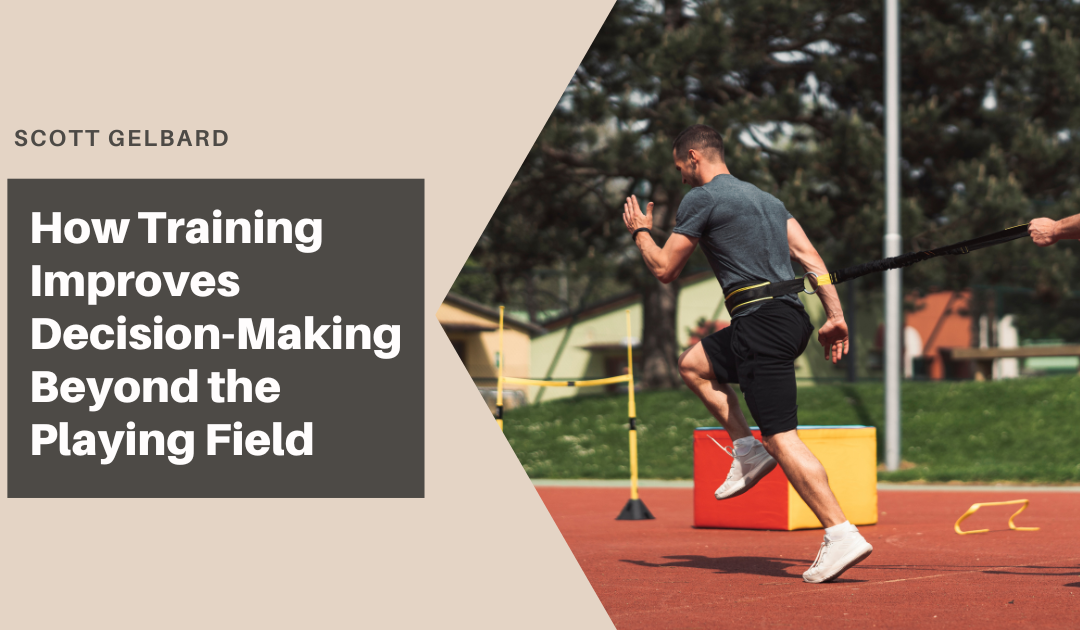
Success in sports is often determined by more than physical ability. Athletes must constantly assess situations, process information, anticipate outcomes, and make decisions under pressure. Whether it’s choosing the right pass in soccer, selecting a strategy in golf, or reacting to an opponent’s movement in basketball, decision-making plays a critical role in performance.
What many people overlook, however, is that the skills developed through athletic training extend far beyond sports. The discipline, awareness, and strategic thinking cultivated through consistent training can significantly improve decision-making in everyday life, education, leadership, and business. The lessons learned on the field, court, or course often become valuable tools for navigating challenges and opportunities in the real world.
The Connection Between Training and Decision-Making
Training is not simply about improving physical performance. It also develops mental skills that help individuals evaluate situations and make effective choices. During practice and competition, athletes are repeatedly exposed to scenarios that require quick thinking, adaptability, and problem-solving.
Over time, this process strengthens the ability to analyze information, recognize patterns, and respond appropriately under varying circumstances. These same skills are highly valuable in professional and personal settings, where individuals must often make decisions with limited time and incomplete information.
The more someone trains their mind to assess situations effectively, the more confident and capable they become when facing challenges outside of sports.
Learning to Think Under Pressure
One of the greatest benefits of athletic training is learning how to perform under pressure. In competitive environments, athletes frequently face situations where a single decision can influence the outcome of a game or event.
Training prepares individuals to remain calm, focused, and composed even when stakes are high. They learn to control emotions, concentrate on relevant information, and avoid impulsive reactions.
These experiences translate directly into workplace and leadership situations. Business professionals often encounter tight deadlines, critical negotiations, and unexpected challenges. Individuals who have developed the ability to think clearly under pressure are better equipped to make sound decisions when circumstances become demanding.
Developing Strategic Thinking
Many sports require athletes to think several steps ahead. Success often depends on anticipating opponents’ actions, evaluating risks, and choosing the most effective strategy.
This strategic mindset becomes a valuable asset beyond the playing field. In business, leaders must assess market conditions, anticipate industry changes, and make decisions that support long-term goals. In personal life, individuals regularly weigh options and consider potential consequences before taking action.
Athletic training encourages a habit of thinking proactively rather than reactively. It teaches people to consider multiple outcomes and make decisions based on both immediate needs and future objectives.
Building Confidence in Decision-Making
Confidence plays a significant role in the quality of decisions. Hesitation and self-doubt can lead to missed opportunities or ineffective choices.
Through training, athletes develop confidence by repeatedly practicing skills, learning from mistakes, and experiencing improvement over time. They begin to trust their preparation and judgment, even in challenging situations.
This confidence often carries into other aspects of life. Individuals who believe in their ability to evaluate situations and make informed choices are more likely to take initiative, embrace responsibility, and pursue opportunities that contribute to personal and professional growth.
Learning from Mistakes
Mistakes are an unavoidable part of sports. Every athlete experiences losses, missed opportunities, and moments where decisions do not produce the desired outcome.
Training teaches individuals to view mistakes as learning experiences rather than failures. Coaches and athletes analyze performance, identify areas for improvement, and adjust strategies accordingly.
This mindset is extremely valuable beyond sports. Effective decision-makers understand that not every choice will lead to immediate success. Instead of dwelling on setbacks, they focus on extracting lessons and applying them to future situations.
The ability to learn from mistakes promotes resilience and continuous improvement, both of which are essential for long-term success.
Enhancing Focus and Awareness
Strong decision-making requires attention to detail and awareness of changing circumstances. Athletes train themselves to stay focused on the task at hand while simultaneously monitoring their environment.
This heightened awareness helps them identify opportunities, anticipate challenges, and respond quickly to new information.
In professional settings, focus and awareness are equally important. Leaders, entrepreneurs, and employees must often evaluate complex situations and make informed decisions while managing multiple priorities. The concentration skills developed through training can improve productivity, judgment, and overall performance.
Strengthening Adaptability
Sports rarely unfold exactly as planned. Conditions change, opponents adjust strategies, and unexpected challenges arise throughout competition.
Athletes learn to adapt quickly and make decisions based on evolving circumstances. This flexibility helps them remain effective even when situations become unpredictable.
Adaptability is increasingly important in today’s fast-changing world. Businesses, industries, and careers are constantly evolving. Individuals who can adjust their thinking, embrace change, and make informed decisions in uncertain environments are better positioned for success.
Conclusion
Athletic training offers far more than physical benefits. It develops critical decision-making skills that influence success in every area of life. Through practice and competition, individuals learn to think under pressure, analyze situations strategically, build confidence, learn from mistakes, and adapt to changing circumstances.
These qualities are just as valuable in boardrooms, classrooms, and everyday life as they are on the playing field. The lessons gained through training help individuals make smarter choices, solve problems more effectively, and approach challenges with greater confidence and clarity.
Ultimately, the ability to make sound decisions is one of the most important skills anyone can develop. Athletic training provides a powerful foundation for strengthening that skill, creating benefits that extend far beyond sports and contribute to lifelong personal and professional success.